

Industrial conveyor belts operate continuously, often under harsh conditions. Stopping them for cleaning is expensive and disruptive. Yet leaving them dirty creates even bigger problems including contamination, equipment wear and safety risks.
The reality is simple: conveyor belts must be cleaned without stopping production.
This article explains how modern conveyor belt cleaning achieves that and why production-focused businesses are moving away from shutdown-based cleaning.
Why dirty conveyor belts cost more than downtime
A contaminated conveyor belt directly affects production outcomes.
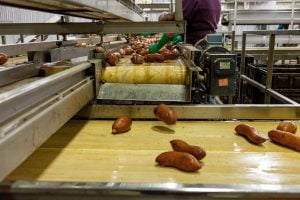
In food processing, residue buildup leads to hygiene failures and audit risks.
In manufacturing and mining, dust and material carryback accelerate belt wear and increase fire hazards.
In logistics and warehousing, debris interferes with sensors and tracking systems.
Cleaning is not maintenance. It is a production safeguard.
The outdated approach: cleaning only during shutdowns
Many facilities still rely on full line stoppages to clean conveyor belts. This approach creates three problems:
• Cleaning is rushed
• Some areas are skipped
• Contamination rebuilds quickly
If cleaning requires stopping production, it will always be delayed. That is why modern conveyor operations integrate cleaning into normal operation.
How conveyor belts can be cleaned while running
Dry steam conveyor belt cleaning
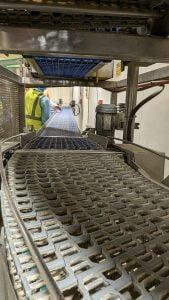
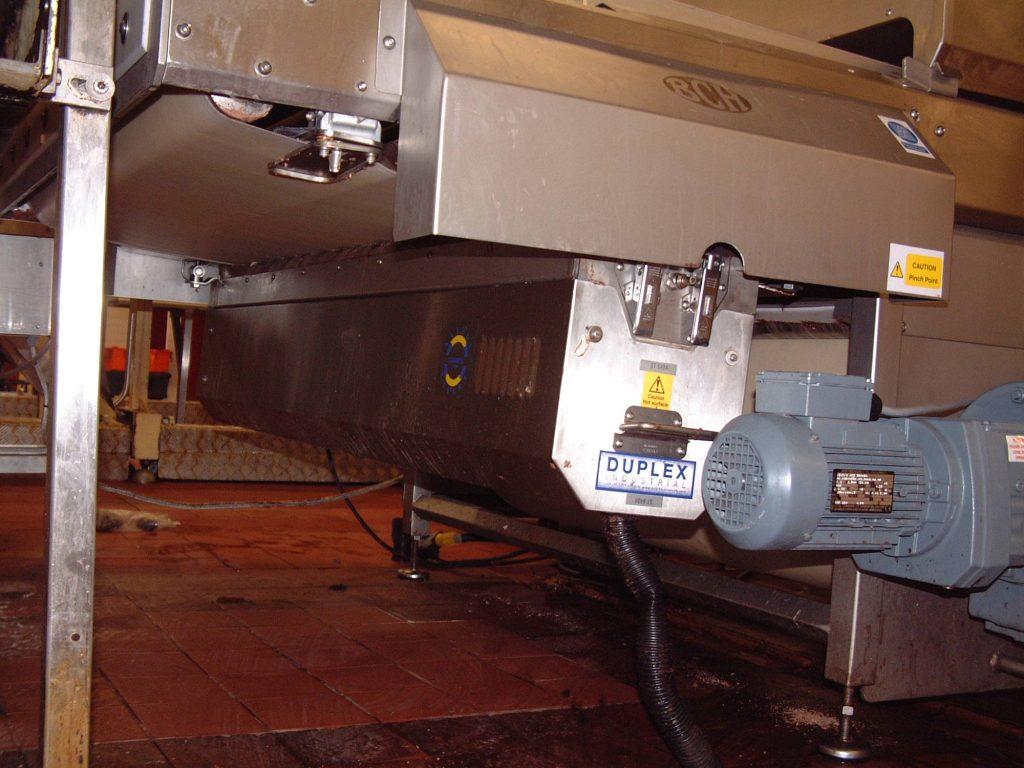
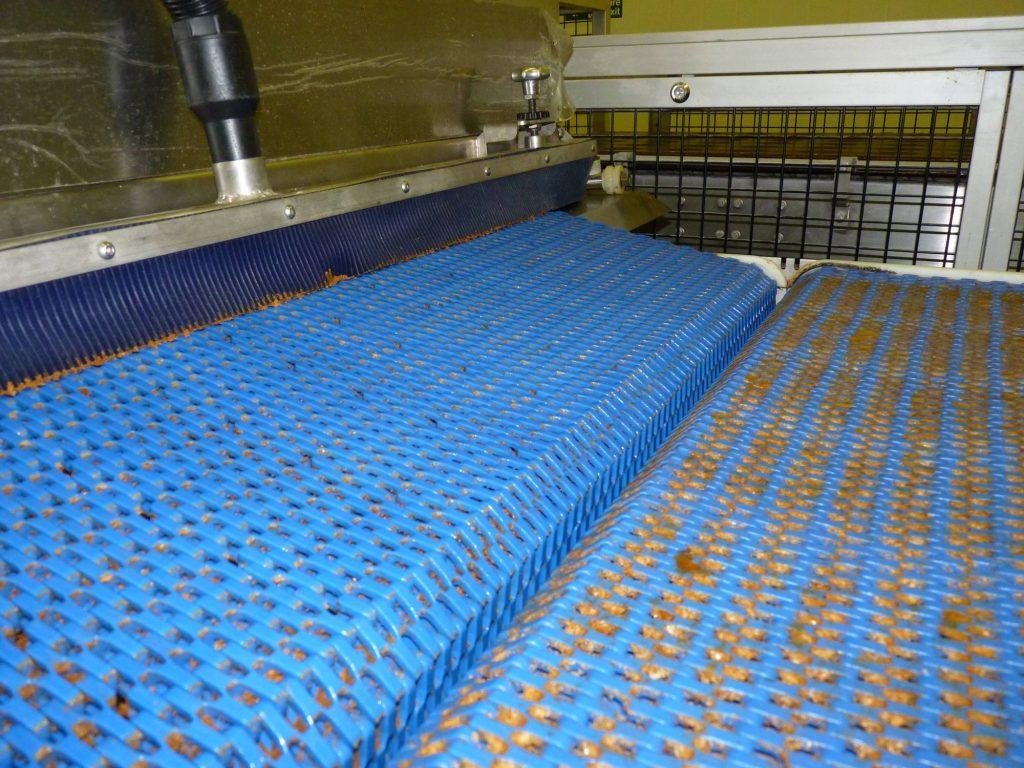
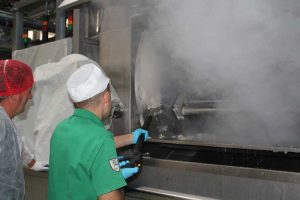
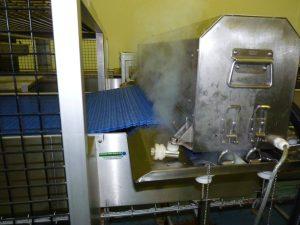
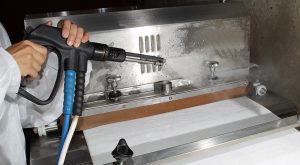
Dry steam penetrates grease, oils and organic residue at high temperature while using minimal moisture. Because it evaporates almost instantly, belts can remain in operation during cleaning.
This method delivers hygiene-level results without flooding the belt or requiring drying time.
In-place and on-belt cleaning systems
Fixed or semi-fixed cleaning systems allow continuous surface cleaning while the belt is running at controlled speed. This prevents buildup instead of reacting to it later.
Targeted cleaning instead of full-line shutdowns
High-risk zones such as transfer points and return runs can be cleaned independently. This avoids unnecessary shutdowns of the entire production line.
What an effective conveyor belt cleaning strategy looks like
An effective strategy follows three rules:
Clean frequently, not aggressively.
Match the cleaning method to the contamination type.
Integrate cleaning into production, not shutdown schedules.
Facilities that follow these principles experience fewer stoppages, longer belt life and better compliance outcomes.
The bottom line
Stopping production to clean conveyor belts is no longer necessary.
The most efficient operations clean while they run.
Modern conveyor belt cleaning solutions protect hygiene, safety and productivity at the same time. When cleaning keeps pace with production, downtime disappears and costs fall.
FAQ
Can conveyor belts be cleaned while operating?
Yes. With controlled speed and appropriate equipment, cleaning during operation is safe and effective.
Is steam safe for conveyor belts?
Dry steam is safe for most industrial belt types and highly effective for hygiene and residue removal.
How often should conveyor belts be cleaned?
Regular light cleaning is far more effective than infrequent deep cleaning.
Does regular cleaning extend belt life?
Yes. Removing abrasive debris reduces wear on belts, rollers and bearings.